
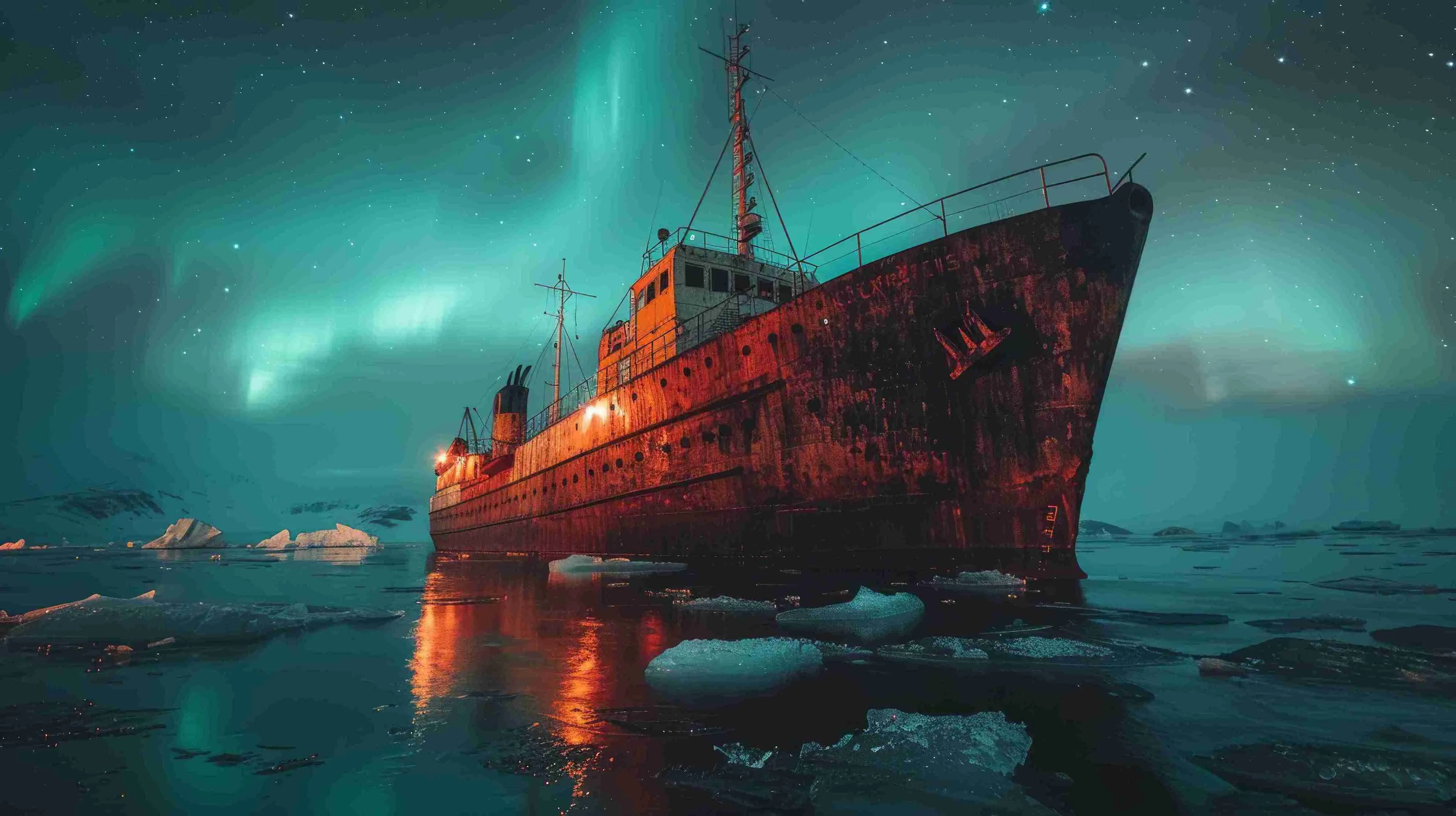
The sinking of the Titanic remains one of the most infamous maritime disasters in history, capturing the imagination of the world for over a century. On the night of April 14–15, 1912, the “unsinkable” ocean liner struck an iceberg in the North Atlantic, leading to the loss of more than 1,500 lives. Despite being a historical event, the story continues to resonate today, inspiring books, films, and countless studies on human error, technological overconfidence, and heroism. This article explores the Titanic disaster, the events leading up to it, the night of the sinking, and its lasting impact on maritime safety and popular culture.
The Titanic was built by the White Star Line in Belfast, Ireland, and was considered a marvel of early 20th-century engineering. Launched in 1911, the ship was the largest and most luxurious passenger liner of its time. Designed to offer unparalleled comfort and safety, it featured lavish accommodations for first-class passengers, grand staircases, and cutting-edge technology. The ship’s builders claimed it was “practically unsinkable,” a statement that would tragically be disproven on its maiden voyage.
Titanic departed from Southampton, England, on April 10, 1912, bound for New York City. Onboard were over 2,200 passengers and crew, including some of the wealthiest people of the era as well as immigrants seeking a new life in America. The voyage initially proceeded smoothly, with passengers enjoying the ship’s amenities and luxurious facilities. However, iceberg warnings sent from nearby ships indicated dangerous conditions in the North Atlantic, which were largely ignored or underestimated by the crew.
On the night of April 14, 1912, at approximately 11:40 PM, Titanic struck an iceberg along its starboard side. The collision caused a series of ruptures in the ship’s hull, allowing water to flood multiple compartments. Despite the Titanic’s advanced safety features, including watertight bulkheads, the damage exceeded the ship’s design limits. Panic quickly spread among passengers and crew as the severity of the situation became apparent. Lifeboat capacity was insufficient for all passengers, highlighting a fatal oversight in maritime safety regulations at the time.
The night of the sinking saw both extraordinary heroism and heartbreaking tragedy. Crew members and passengers worked to save as many lives as possible, prioritizing women and children for the limited lifeboats. Accounts from survivors describe acts of bravery, selflessness, and despair. However, many passengers, particularly those in third-class accommodations, faced barriers to reaching the upper decks and lifeboats. The loss of life was immense, and the disaster left an enduring mark on families and communities around the world.
The RMS Carpathia arrived approximately two hours after Titanic sank, rescuing around 700 survivors. The aftermath of the disaster revealed major lapses in safety protocols, communication, and emergency preparedness. Inquiries in both the United States and the United Kingdom led to significant reforms in maritime safety, including the requirement for sufficient lifeboats for all passengers, 24-hour radio watches, and stricter ice patrol monitoring in the North Atlantic.
The Titanic tragedy is often cited as a cautionary tale about overconfidence in technology. The belief that the ship was unsinkable led to complacency in safety measures and risk management. Modern maritime and engineering practices have drawn lessons from Titanic, emphasizing the importance of redundancy, realistic safety assessments, and emergency preparedness in ship design. The story continues to serve as a reminder of the limits of human engineering in the face of natural forces.
Over a century later, Titanic remains a central figure in popular culture. James Cameron’s 1997 film Titanic introduced the story to a new generation, blending historical fact with compelling fictional narratives. Books, documentaries, and museum exhibits continue to educate and fascinate the public, keeping the memory of the disaster alive. The story of Titanic has become more than a historical event; it is a symbol of human ambition, tragedy, and resilience.
The enduring fascination with Titanic is not just about the ship itself but the human stories of those aboard. Passengers like Molly Brown, who helped organize lifeboats, and bandsmen who played music to calm panicked passengers, are remembered for their courage. Diaries, letters, and survivor accounts provide personal insights into the fear, hope, and loss experienced during the disaster. These stories continue to resonate emotionally with audiences worldwide.
Titanic’s legacy is preserved through memorials, museums, and underwater explorations. Artifacts recovered from the wreck have been displayed internationally, allowing people to connect with history tangibly. The Titanic Museum in Belfast, the Titanic Quarter in Northern Ireland, and memorials in Southampton and other cities honor the memory of those who perished. These sites serve as educational resources and a reminder of the lives lost during one of history’s most significant maritime disasters.