
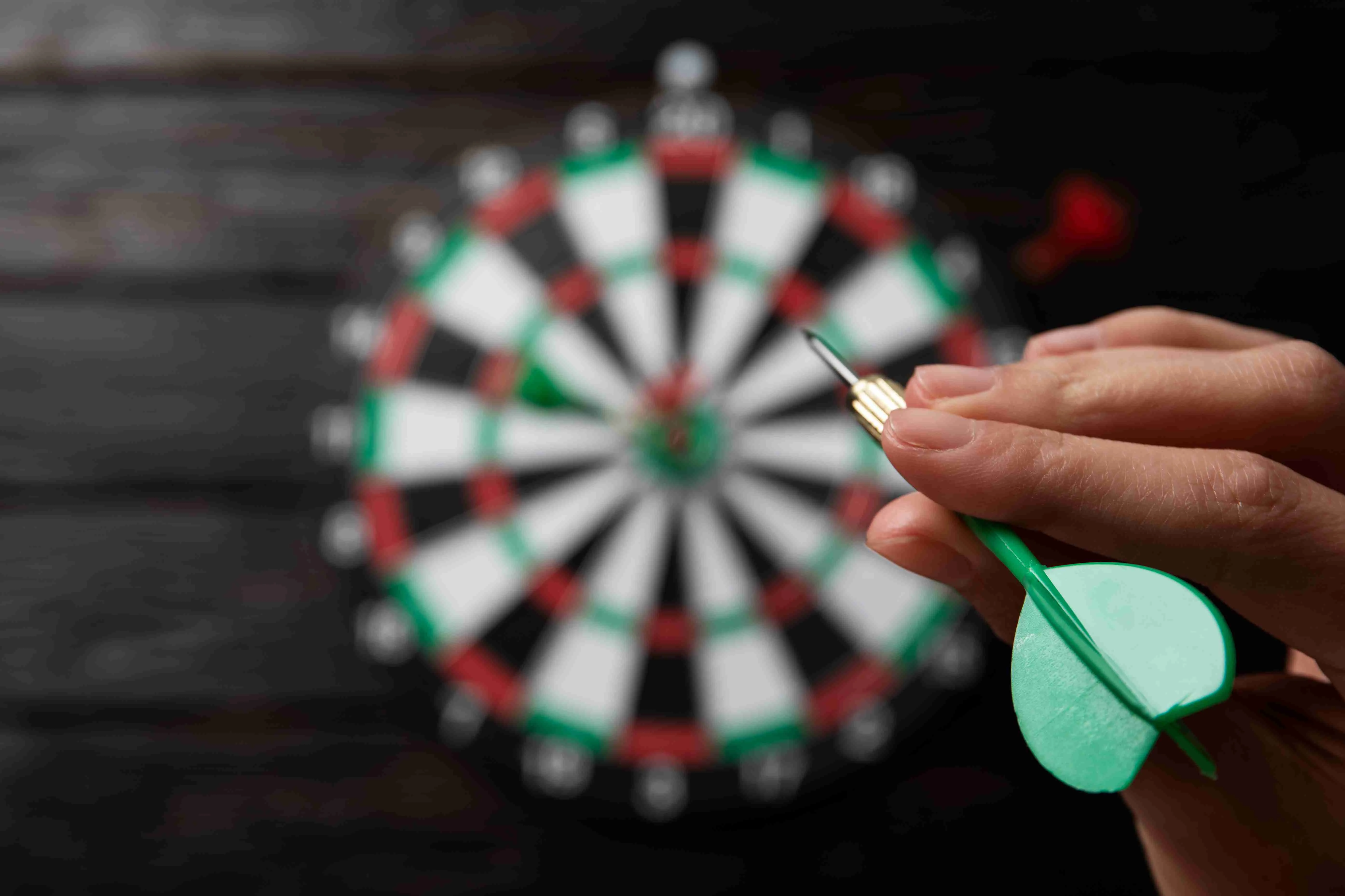
Darts is far more than a pub pastime. What began as a casual throwing game has evolved into a globally recognised precision sport with professional leagues, televised tournaments, and devoted fans. Played in pubs, clubs, and packed arenas, darts combines skill, mental focus, and consistency, making it accessible yet highly competitive. In recent years, its popularity has surged, particularly in the UK and Europe, cementing darts as a serious sporting discipline.
The history of darts can be traced back several centuries, with roots in medieval England. Early versions of the game are believed to have been played by soldiers who threw short arrows or bolts at the bottoms of wine barrels. Over time, wooden targets were replaced with marked boards, and the modern dartboard began to take shape.
By the late 19th and early 20th centuries, darts had become a popular pub game across Britain. Standardised rules and scoring systems helped formalise the sport, leading to the creation of organised competitions. The establishment of governing bodies and televised events in the late 20th century transformed darts into a professional sport enjoyed worldwide.
A standard dartboard is divided into 20 numbered sections, each split into single, double, and treble scoring areas. The bullseye sits at the centre, with the outer bull worth 25 points and the inner bull worth 50. Modern boards are typically made from sisal fibres, allowing darts to stick without causing excessive damage.
Darts themselves consist of four main parts: the point, barrel, shaft, and flight. The barrel, usually made of tungsten or brass, determines grip and balance. Flights influence stability and trajectory, while shaft length affects control. Professional players carefully customise their equipment to suit their throwing style and comfort.
The most commonly played darts game is 501, particularly in professional competitions. Each player starts with a score of 501 and aims to reduce it to exactly zero. Points are subtracted based on where darts land on the board, and the game must be finished on a double.
Other popular formats include 301, cricket, and around the clock. While rules vary slightly between game types, accuracy and strategic thinking remain central. Consistency is crucial, as even small mistakes can significantly impact the outcome of a match.
Successful darts players rely on repeatable technique rather than brute strength. A stable stance, controlled grip, and smooth throwing motion are essential. Most players adopt a side-on stance, keeping their throwing arm aligned with the target.
Grip styles vary, with some players holding the barrel near the front while others prefer a rear grip. The key is comfort and consistency. Professional players practise relentlessly to develop muscle memory, ensuring each throw replicates the last as closely as possible. Mental focus and rhythm play a major role, particularly during high-pressure situations.
Professional darts is dominated by major organisations such as the Professional Darts Corporation (PDC) and the World Darts Federation (WDF). These bodies oversee tournaments, rankings, and player development. Events such as the World Darts Championship attract millions of viewers and offer substantial prize money.
The atmosphere at professional darts events is unlike any other sport. Fans dress in costumes, sing chants, and create a lively environment that adds to the spectacle. This unique blend of elite competition and entertainment has helped darts reach new audiences across different age groups.
While darts may appear simple, mental resilience is a defining factor at higher levels. Players must manage pressure, maintain concentration, and adapt strategies mid-match. Finishing doubles, in particular, require composure and precision under intense scrutiny.
Strategic thinking also plays a role in scoring. Players often aim for the treble 20 to maximise points, but knowing when to switch targets can prevent costly errors. Decision-making becomes increasingly important as matches progress and margins tighten.
At grassroots level, darts remains deeply embedded in local communities. Pub leagues, social clubs, and amateur tournaments provide accessible entry points for players of all abilities. This inclusivity is one of the sport’s greatest strengths, allowing beginners and seasoned players to compete side by side.
Community darts fosters social interaction and friendly competition, making it popular among diverse age groups. Many professional players began their journey in local leagues, highlighting the importance of grassroots structures in developing future talent.
Social media and streaming platforms have played a significant role in darts’ modern resurgence. Highlights, player interviews, and online competitions have expanded the sport’s reach beyond traditional audiences. Younger fans are discovering darts through digital content, helping to refresh its image.
Online scoring apps, virtual leagues, and smart dartboards have also modernised how the game is played and practised. These innovations make darts more interactive and accessible, particularly for home players seeking to improve their skills.
Although darts is not physically demanding in the traditional sense, it requires stamina, coordination, and mental sharpness. Professional players often focus on fitness and nutrition to maintain concentration during long matches. The stereotype of darts as an unhealthy pastime has gradually shifted as athletes adopt more disciplined lifestyles.
This evolving perception has helped darts gain greater recognition as a legitimate sport rather than a casual pub activity.