
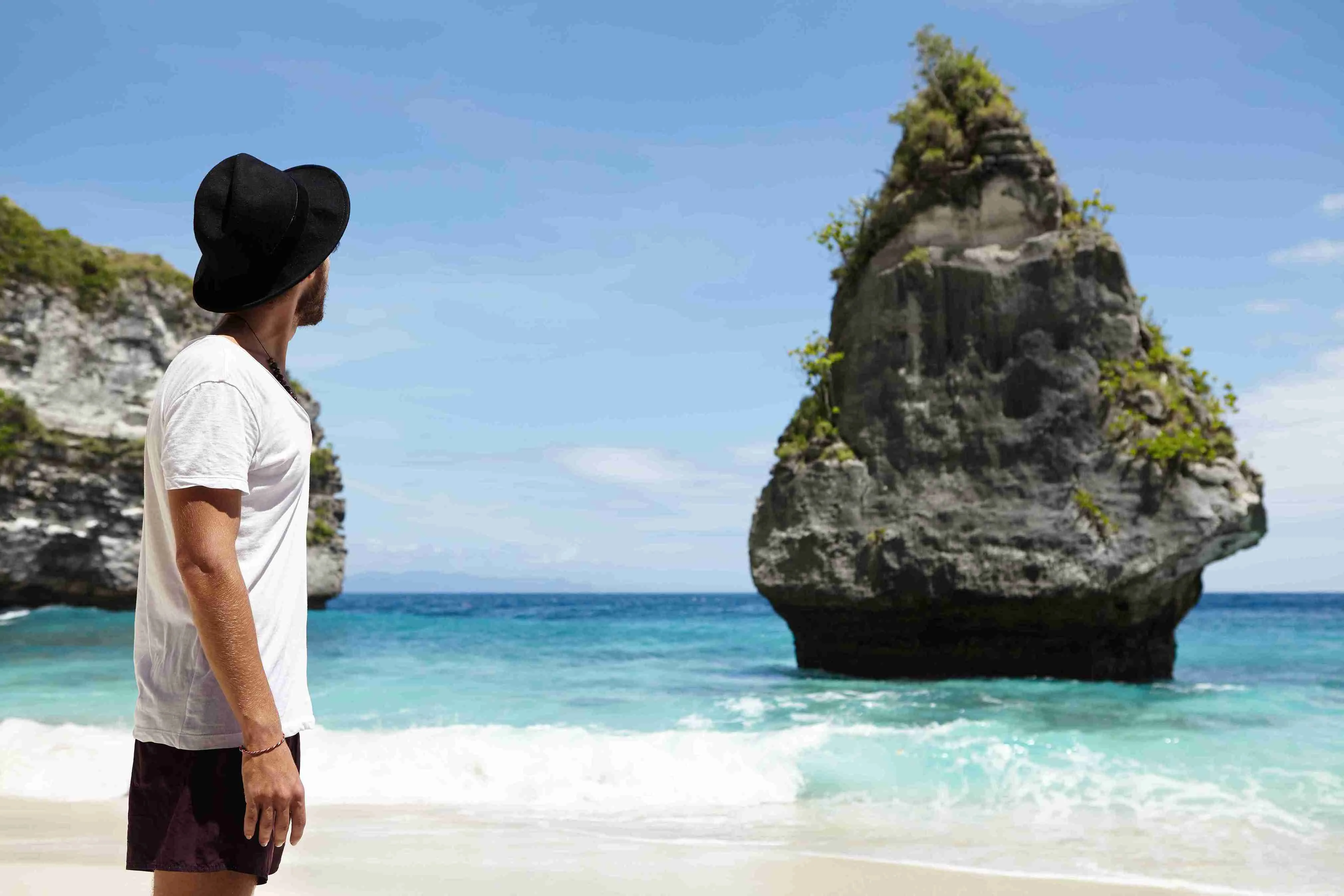
Saipan, the largest island of the Northern Mariana Islands, is a tropical gem in the Western Pacific Ocean. Known for its pristine beaches, crystal-clear waters, and rich history, Saipan attracts travellers seeking both relaxation and adventure. Its unique blend of natural beauty and cultural heritage makes it a captivating destination for tourists, historians, and nature enthusiasts alike.
From snorkelling in vibrant coral reefs to exploring World War II landmarks, Saipan offers experiences that appeal to all types of visitors. Its subtropical climate ensures warm temperatures year-round, making it an ideal escape for sun-seekers.
Saipan covers approximately 115 square kilometres and is characterised by mountainous terrain in the north, lush forests, and low-lying plains in the south. The island’s highest point, Mount Tapochau, provides panoramic views of the surrounding ocean and neighbouring islands.
The climate is tropical, with distinct wet and dry seasons. Temperatures typically range between 24°C and 31°C, offering year-round warmth. Humidity can be high, particularly during the rainy season from July to December, while trade winds help moderate conditions, making the environment comfortable for outdoor activities.
Saipan’s history is as rich as its landscapes. The island was originally inhabited by the Chamorro people, whose culture and traditions continue to influence the region today. In the 16th century, European explorers arrived, marking the start of colonial interest in the island.
Saipan changed hands several times over the centuries, under Spanish, German, and Japanese administration. During World War II, Saipan became a critical battleground between American and Japanese forces. The Battle of Saipan in 1944 was pivotal in the Pacific campaign, leaving behind numerous historical sites that remain important memorials today.
Saipan’s culture is a fusion of indigenous Chamorro traditions and influences from Spanish, Japanese, and American settlers. This blend is evident in local cuisine, festivals, and daily life. Traditional dances, music, and handicrafts provide insight into the island’s heritage.
Visitors can explore cultural villages and museums to learn about Chamorro customs, historical artefacts, and the island’s colonial past. Annual events such as the Liberation Day celebrations commemorate significant moments in Saipan’s history, offering immersive experiences for tourists.
Saipan is renowned for its stunning beaches, each offering unique experiences. Micro Beach and Managaha Island are popular for swimming, sunbathing, and water sports. The clear waters make the island a haven for snorkelling and scuba diving, with vibrant coral reefs and diverse marine species.
Beyond leisure, Saipan’s marine ecosystem is vital for local fisheries and environmental conservation. Efforts to protect coral reefs and marine life have made the island a model for sustainable tourism, balancing economic benefits with ecological preservation.
For adventure seekers, Saipan offers hiking trails, water sports, and exploration of hidden caves. Mount Tapochau is a must-visit for hikers, providing breathtaking views across the island and ocean.
Kayaking, jet-skiing, and parasailing are popular activities for thrill-seekers, while eco-tours allow visitors to discover Saipan’s lush interior, waterfalls, and tropical wildlife. The island’s natural beauty provides endless opportunities for outdoor enthusiasts.
Saipan is rich in historical landmarks, particularly from World War II. Sites such as the Last Command Post, Suicide Cliff, and Banzai Cliff offer poignant insights into the island’s wartime history.
Museums and memorials preserve stories of both military personnel and local civilians, providing visitors with an educational experience that complements the island’s natural attractions. Guided tours ensure respectful engagement with these important historical locations.
Saipan’s culinary scene reflects its multicultural influences. Fresh seafood is a staple, with dishes such as grilled fish, sashimi, and tropical seafood stews widely available. Chamorro cuisine, featuring coconut, rice, and local spices, offers a taste of traditional island flavours.
Restaurants range from casual beachside eateries to upscale dining establishments. Local markets also provide fresh produce, tropical fruits, and handmade delicacies, allowing visitors to experience the island’s culture through food.
From luxury resorts to cosy guesthouses, Saipan offers accommodation to suit all preferences and budgets. Many resorts are located near beaches, providing direct access to sun, sand, and sea.
Eco-friendly lodges and boutique hotels cater to travellers seeking sustainable and authentic experiences. Whether visitors prefer modern amenities or a more rustic, nature-immersed stay, Saipan provides diverse lodging options.
Saipan is accessible via international flights, primarily from Japan, Korea, and the United States. Visitors should be aware of local customs, currency (US Dollar), and transportation options, which include taxis, rental cars, and buses.
Health and safety considerations include staying hydrated in the tropical climate, using sun protection, and following local guidelines for water activities. Respecting cultural norms and environmental regulations ensures a positive experience for both tourists and residents.
With its combination of natural beauty, rich history, and vibrant culture, Saipan is an ideal destination for travellers seeking more than just a beach holiday. It offers adventure, relaxation, and educational experiences in a compact, easily navigable setting.
From pristine shores to historic landmarks, Saipan captivates visitors with its diversity and charm. Its unique blend of past and present creates a travel experience unlike any other in the Pacific.