
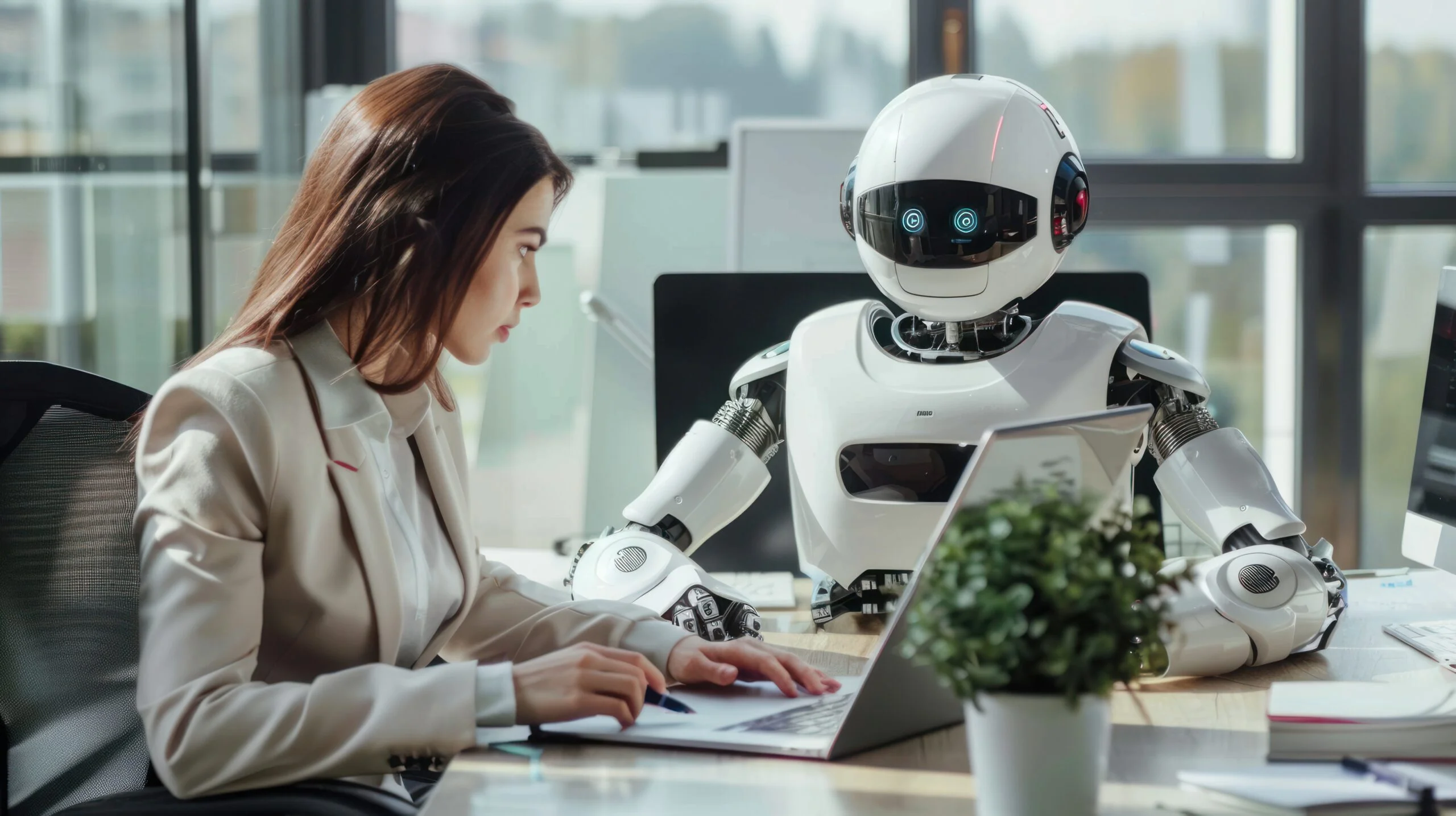
The professional world in 2025 looks vastly different from just a few years ago, thanks to a wave of next-generation AI tools that are reshaping how we work. Artificial intelligence is no longer confined to futuristic labs or complex coding platforms — it’s now deeply embedded in everyday business operations, enhancing creativity, decision-making, and overall productivity across industries.
From automated project management to personalized virtual assistants, AI innovations are revolutionizing how employees and companies function. Let’s explore some of the most transformative tools and trends defining this new era of work.
Leading the charge is Microsoft Copilot 365, an AI companion seamlessly integrated into the Microsoft ecosystem. It assists users across Word, Excel, Teams, and Outlook, automating repetitive tasks, summarizing meetings, and even generating entire reports or presentations based on data input. With natural language processing capabilities, employees can now “talk” to their documents — simply asking Copilot to “create a quarterly report from this data” or “summarize the last five client emails.” This shift has reduced administrative workloads and given professionals more time to focus on creativity and strategy.
Meanwhile, Google’s Workspace AI Extensions have redefined collaboration. The new SmartCanvas AI can translate live meetings in real time, generate brainstorming summaries, and analyze team productivity trends. Using adaptive learning, it tailors suggestions based on each user’s working style. Google’s AI systems now act like a silent partner — always observing, learning, and recommending ways to work smarter.
The rise of AI-driven design tools has also been game-changing. Platforms like Canva Magic Studio and Adobe Firefly 2 empower users to create professional-level visuals and videos without advanced design skills. With generative AI, users can describe what they want — for example, “create a modern, minimal website layout with a tech theme” — and the system delivers a ready-to-edit design. These tools have democratized creativity, enabling marketers, entrepreneurs, and small businesses to produce content faster than ever.
In the software development world, AI coding assistants such as GitHub Copilot X and Tabnine NextGen are helping developers write, debug, and optimize code effortlessly. These tools understand context, predict code structures, and even explain snippets in plain English. The result? Faster deployment, fewer errors, and a dramatic boost in productivity. For startups and enterprise developers alike, AI has become a trusted co-creator rather than a replacement.
The HR and recruitment industry is also witnessing a massive AI transformation. Tools like HireSense and Paradox Olivia automate candidate screening, schedule interviews, and even assess communication tone in video submissions. By using machine learning, they can identify top candidates in minutes while minimizing human bias. HR teams are now focusing on culture-building and talent development instead of tedious administrative processes.
In the realm of content creation and communication, AI writing tools such as Jasper, Copy.ai, and Notion AI have become indispensable. They generate blog posts, marketing copy, and even personalized emails that sound human and brand-accurate. Combined with analytics dashboards, these platforms allow companies to produce high-quality content at scale while maintaining authenticity.
Another major development in 2025 is the rise of autonomous workflow platforms. Tools like Zapier AI Flow and ClickUp Brain now enable cross-platform automation with contextual intelligence. For example, an AI can detect when a project deadline is at risk, send reminders, update task priorities, and even assign backup team members automatically. This “self-managing” approach is quickly becoming the backbone of digital workplaces.
Even mental health and work-life balance are being supported by AI. New platforms like MindSync AI and Reverie Wellness use emotion recognition to track employee stress levels and suggest personalized wellness breaks or motivational prompts. Employers are increasingly adopting these solutions to foster healthier and more mindful work environments.
However, as AI tools become more advanced, the conversation around ethics and responsible use has gained importance. Businesses are now investing in AI governance systems to ensure transparency, data privacy, and accountability. The goal is to create a symbiotic relationship between humans and machines — where AI amplifies human creativity instead of replacing it.
As we move deeper into 2025, one thing is clear: AI is no longer just a tool — it’s a collaborative partner. From simplifying tasks to enabling entirely new forms of innovation, these intelligent systems are transforming work from a daily grind into a more intuitive, efficient, and creative experience. The future of work isn’t just automated — it’s intelligently human.