
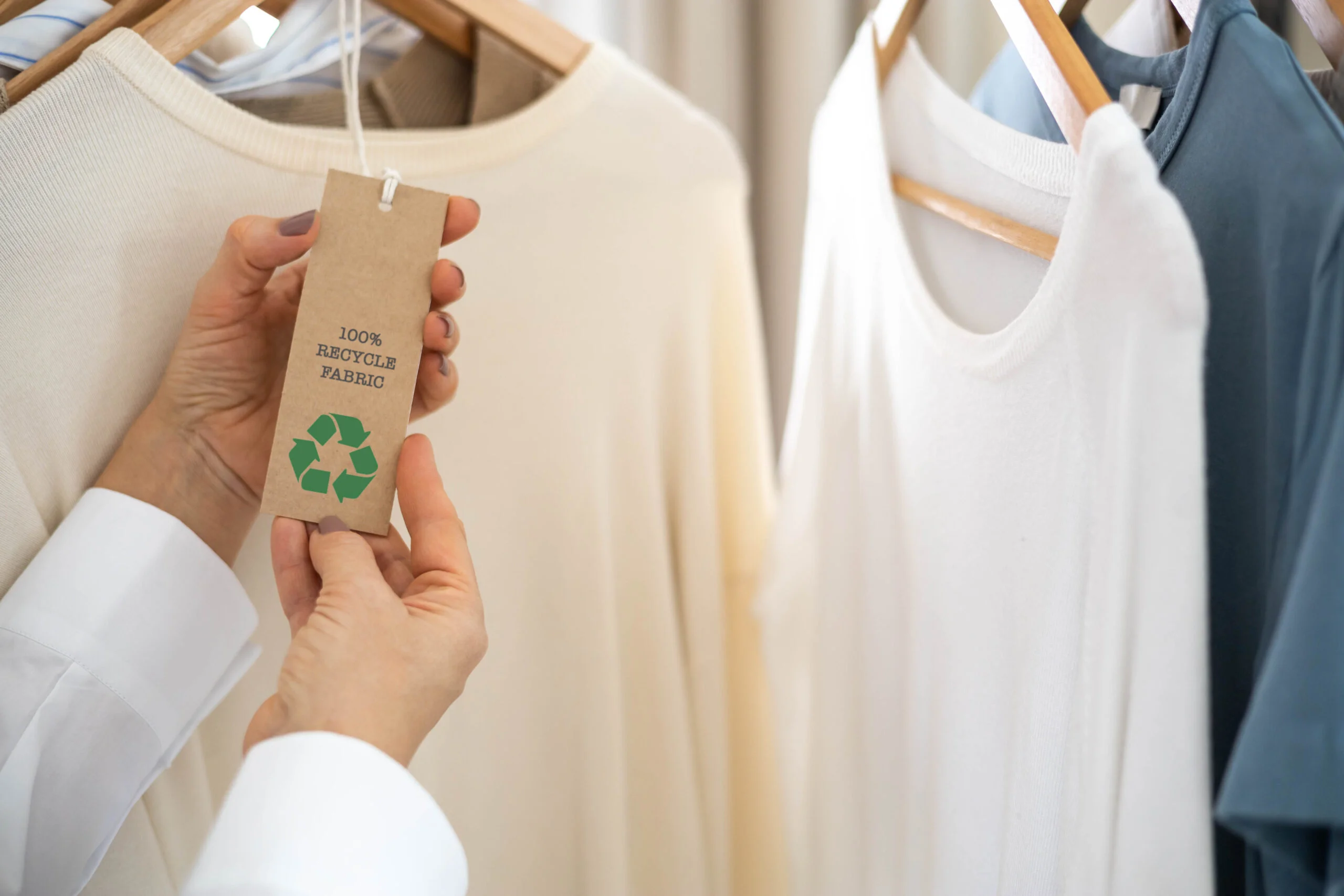
The fashion world is undergoing a major transformation as sustainability takes center stage. From eco-conscious materials to ethical production, brands are reshaping how clothes are made, marketed, and worn in 2025.
In recent years, the global fashion industry has undergone a remarkable shift toward sustainability. Once dominated by fast fashion and mass production, the sector is now embracing eco-friendly practices that prioritize environmental responsibility, ethical labor, and long-term durability. This evolution marks not just a trend but a fundamental redefinition of what fashion means in the modern era.
Sustainable fashion is built around the idea of reducing waste and minimizing the industry’s environmental footprint. Many leading brands are now turning to organic fabrics, recycled fibers, and biodegradable materials to replace synthetics that contribute to pollution. Companies such as Stella McCartney, Patagonia, and Levi’s have pioneered this shift by introducing collections that combine innovation with environmental mindfulness.
Technology is playing a key role in this revolution. Digital design tools, 3D modeling, and AI-driven production systems are helping manufacturers cut down on excess materials and energy consumption. Virtual fitting rooms and digital fashion shows have further reduced waste, proving that sustainability can coexist with creativity and style.
Another major component of this change is transparency. Modern consumers are more informed and environmentally aware than ever before. They want to know where their clothes come from, who made them, and how sustainable the process truly is. As a result, brands are adopting traceable supply chains, fair wage policies, and certifications to prove their commitment to ethical practices.
The rise of the “circular fashion” model is also reshaping the industry. Instead of discarding old garments, consumers are encouraged to recycle, repair, or resell them. Popular resale platforms and thrift culture have made secondhand fashion both stylish and sustainable. Major retailers are even launching take-back programs to give old clothing a new life.
However, challenges remain. Sustainable materials can be costly, and small brands often struggle to compete with fast fashion giants. Despite this, the growing global awareness and demand for eco-conscious products are gradually tipping the balance in favor of responsible fashion.
As 2025 unfolds, it’s clear that sustainability is no longer a niche concept—it’s the future of fashion. The industry’s ongoing transformation reflects a powerful message: style and ethics can work hand in hand to build a cleaner, fairer, and more beautiful world.