
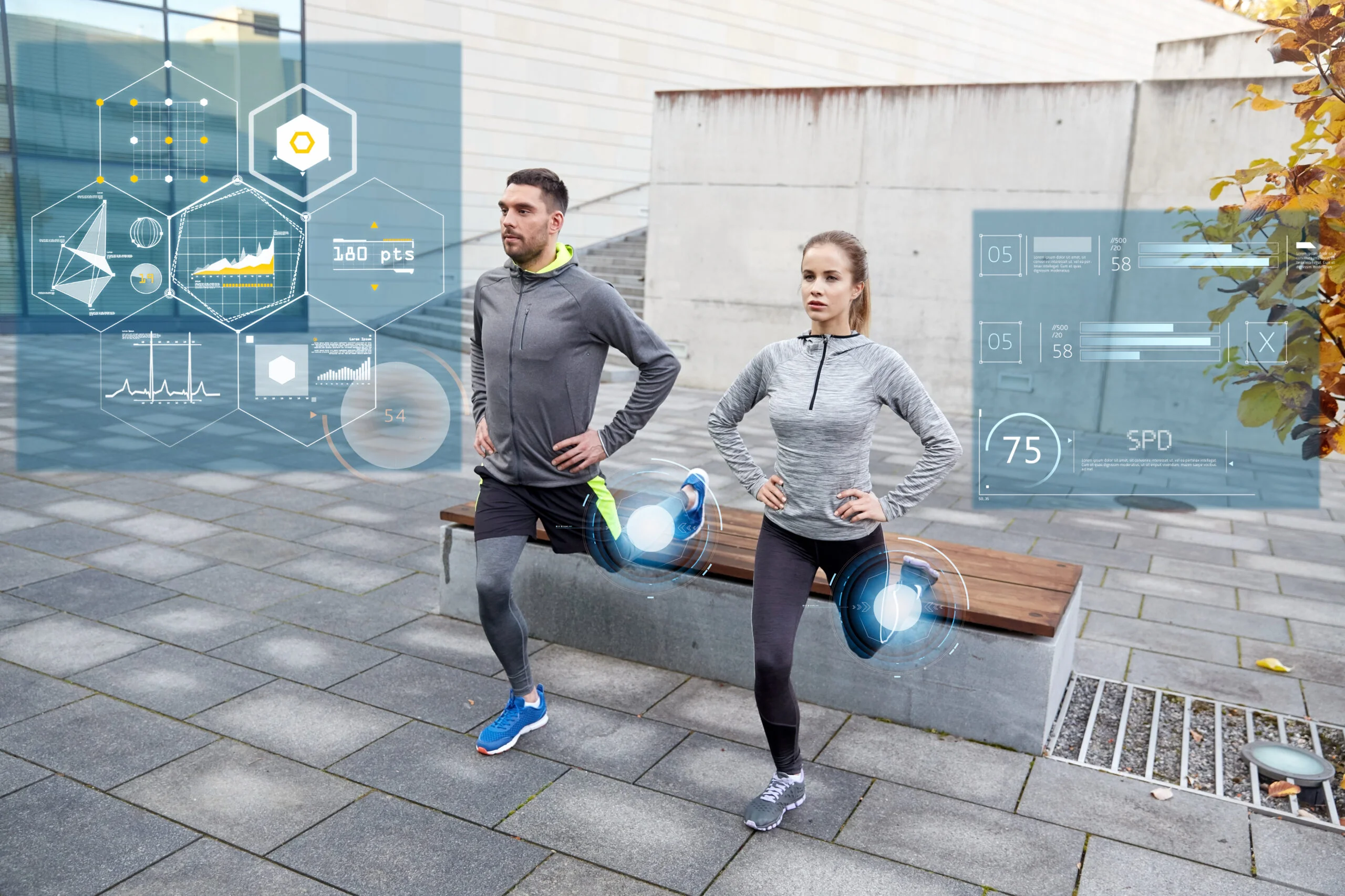
In 2025, the world of fitness and sports performance has evolved beyond imagination. Technology now plays a central role in helping athletes reach peak performance levels, prevent injuries, and maintain consistent progress. With the rapid integration of artificial intelligence, biometrics, and smart wearables, athletes are no longer relying solely on intuition or traditional training methods. Instead, data-driven insights are shaping personalized routines that enhance both strength and recovery.
The global sports tech industry is booming. According to the 2025 Fitness Innovation Report, the use of wearable and AI-powered devices among professional athletes has increased by more than 60% in the last two years. From Olympic competitors to everyday fitness enthusiasts, everyone is turning to technology for performance optimization and injury prevention.
One of the most impactful advancements has been the development of smart wearables. Devices like fitness watches, heart rate monitors, and smart clothing can now track detailed physiological data in real time. These tools measure metrics such as heart rate variability, oxygen levels, body temperature, and even hydration levels. This continuous flow of information allows athletes and coaches to adjust workouts on the fly, ensuring that every training session is both safe and effective.
AI-powered coaching platforms are another major breakthrough. Instead of generic training plans, AI tools now generate custom programs tailored to an athlete’s body composition, fitness level, and performance goals. For example, AI can analyze past training sessions, recovery data, and diet logs to suggest an optimized workout for the next day. This technology minimizes the risk of overtraining and maximizes the benefits of rest and nutrition.
Recovery, once an overlooked aspect of athletic training, is now a focal point in modern fitness technology. Innovations like cryotherapy chambers, smart compression gear, and AI-guided recovery schedules are helping athletes recover faster than ever before. These devices monitor muscle fatigue, inflammation levels, and sleep patterns to determine the ideal recovery time. By preventing burnout and injuries, athletes can maintain consistent performance throughout the year.
Virtual and augmented reality (VR and AR) are also transforming the way athletes train. VR simulations allow athletes to experience game-like situations without physical strain, enhancing decision-making and reflexes. AR glasses, on the other hand, overlay real-time metrics such as speed and angle of movement during practice sessions. This immersive feedback helps athletes correct posture and form instantly, leading to improved precision and efficiency.
Another exciting development is smart nutrition technology. Personalized nutrition apps can now sync with wearable data to recommend meals that support specific training phases. For instance, after a high-intensity workout, an athlete might receive instant suggestions for foods rich in protein and electrolytes to support muscle recovery. This holistic approach—combining exercise, data, and nutrition—ensures a complete and balanced performance strategy.
Sports analytics is not just limited to individual athletes. Entire teams now use big data to monitor player performance and make tactical decisions. Coaches can identify patterns such as fatigue risks or underperformance before they become major issues. By integrating analytics into every layer of training, teams can maintain peak performance throughout the season.
However, as technology continues to dominate the fitness landscape, experts emphasize the importance of maintaining a human element. Data can guide decisions, but motivation, mindset, and teamwork remain irreplaceable factors in athletic success. The most effective athletes in 2025 are those who combine technological precision with human intuition—balancing analytics with awareness, and science with self-discipline.
The future of fitness is undoubtedly digital, but it’s also deeply personal. As technology grows smarter, it doesn’t just measure performance—it enhances understanding of the body’s limits and potential. Whether you’re a professional athlete or a casual fitness enthusiast, embracing these innovations can unlock a new level of performance, recovery, and overall well-being.
In the coming years, fitness technology will continue to evolve, creating even more intelligent, interconnected systems. From AI coaches to smart gyms, the goal remains the same: helping every individual perform at their best while staying healthy, focused, and balanced.