
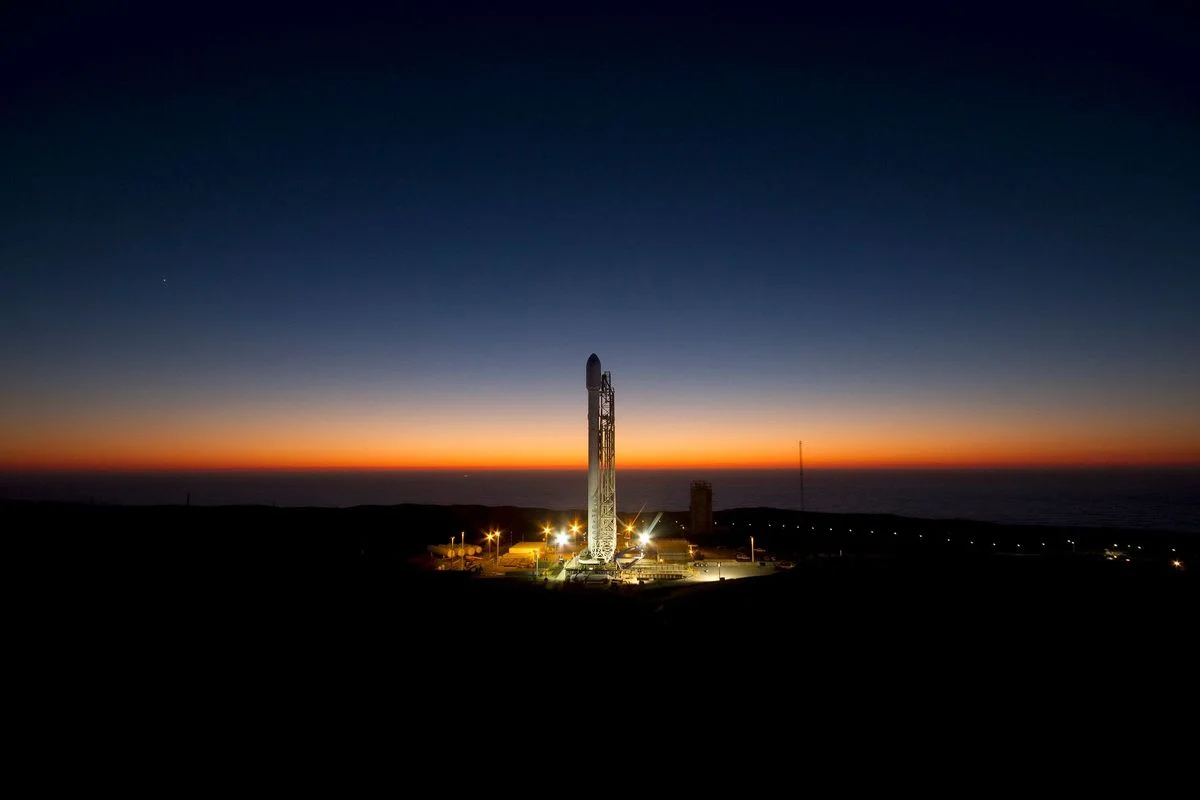
Reconstruction efforts are currently underway at Cape Canaveral Space Force Station following an explosion involving Blue Origin facilities. The incident has led to significant work to clear debris from the launch pad, while an investigation into the cause continues, according to reports.
The site, a critical hub for space activities, is undergoing extensive repair work as Blue Origin addresses the aftermath of the explosion. This development comes as the company’s New Glenn rocket project holds ambitious plans for future operations.
Background
The incident at Cape Canaveral Space Force Station has prompted a detailed response from Blue Origin. While specific details of the explosion were not provided in the reports, the focus has shifted to the recovery and investigative phases. Cape Canaveral is a well-known location for space launches and related activities, making any disruption here a notable event in the aerospace sector.
Blue Origin’s work on its New Glenn rocket programme is a long-term endeavour, with significant future goals already established. The company anticipates a substantial increase in launch activity in the coming years, making the current reconstruction efforts particularly crucial for its operational timeline.
Reconstruction and Investigation Progress
Following the explosion, work to rebuild facilities at Cape Canaveral Space Force Station is now in progress. Spectrum News 13 indicates that reconstruction is underway at the site. This phase involves repairing damaged infrastructure and preparing the launch pad for future missions. Concurrently, efforts to clear debris from the launch pad have been completed, as reported by WOGX, indicating a step forward in restoring operational readiness.
Despite the physical recovery work, the investigation into the explosion’s cause remains ongoing. This inquiry is critical for understanding the sequence of events that led to the incident and for implementing measures to prevent future occurrences. The findings of this investigation will be vital for Blue Origin and the wider space industry.
Blue Origin’s Future Ambitions
Looking beyond the current incident, Blue Origin maintains ambitious long-term plans for its launch activities. The New Glenn project, a key component of the company’s strategy, is projected to see a significant increase in operational tempo. Advanced Television reported that New Glenn expects to conduct 50 launches per year by 2030. This target underscores the company’s commitment to expanding its presence in space transportation and the importance of resolving current operational challenges swiftly.
The ability to meet such high launch frequencies relies heavily on the efficient and safe operation of its facilities, highlighting the significance of the ongoing reconstruction and the findings from the investigation.
FAQ
- What happened at Cape Canaveral Space Force Station?
An explosion occurred involving Blue Origin facilities at Cape Canaveral Space Force Station, leading to reconstruction efforts and an ongoing investigation. - What is the status of the reconstruction and investigation?
Reconstruction is underway at Cape Canaveral Space Force Station, and debris has been cleared from the launch pad. The investigation into the explosion’s cause is still ongoing. - What are Blue Origin’s future plans for launches?
Blue Origin’s New Glenn rocket project anticipates a substantial increase in activity, expecting to conduct 50 launches per year by 2030, according to Advanced Television.
What this means for you
While the recent incident at Cape Canaveral Space Force Station directly impacts Blue Origin’s operations, it also provides a glimpse into the complexities and challenges of the global space industry. For readers in Liverpool, Merseyside, and across the UK, developments in space exploration and commercial space travel have broader implications.
The drive to rebuild and continue ambitious launch schedules, such as New Glenn’s aim for 50 launches annually by 2030, reflects the persistent push for technological advancement and the increasing role of space in global infrastructure and research. Such incidents, though setbacks, highlight the high-stakes nature of innovation that often underpins many of the technologies we use daily, from communication satellites to weather forecasting. Monitoring these developments, even those occurring far from home, offers insight into the frontiers of human ingenuity and the economic and scientific progress they represent.