
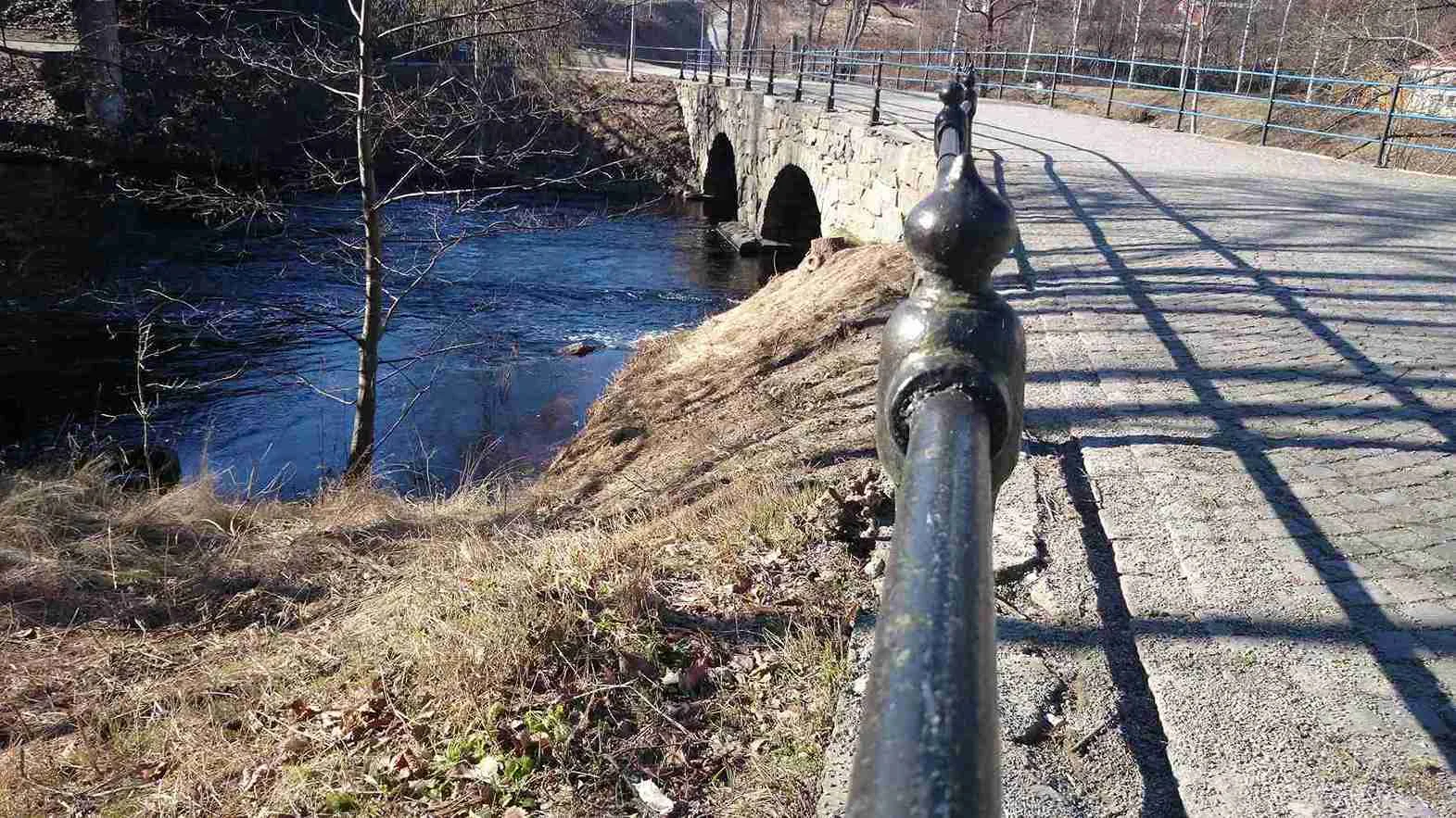
A canal sinkhole is a sudden collapse or depression in the ground that occurs near or beneath a canal, often caused by erosion, structural failure, or underground voids. Unlike natural sinkholes that form in karst landscapes, canal sinkholes are typically linked to human-made infrastructure and water management systems. These events can pose serious risks to public safety, transportation, water supply, and nearby property.
As canals age and climate conditions become more extreme, canal sinkholes are increasingly viewed as a critical infrastructure concern for cities, rural communities, and agricultural regions worldwide.
Canal sinkholes develop through a combination of water movement, soil instability, and structural weakness. The most common formation process involves internal erosion, where water flowing through or beneath a canal gradually washes away fine soil particles.
Over time, this erosion creates underground cavities. When the soil above can no longer support its own weight, it collapses—forming a sinkhole that may appear suddenly or grow gradually.
- Seepage erosion beneath canal linings
- Pipe leakage in irrigation or drainage systems
- Cracked concrete or aging embankments
- Poor compaction during construction
- Fluctuating water levels that destabilize soil
These processes often occur out of sight, making early detection difficult.
It is important to distinguish canal sinkholes from naturally occurring sinkholes. Natural sinkholes usually form in areas with limestone or soluble rock, where groundwater dissolves bedrock over time.
Canal sinkholes, by contrast, are almost always infrastructure-induced. They are tied to:
- Man-made canals and waterways
- Irrigation systems
- Flood control channels
- Urban drainage networks
This distinction matters because prevention and repair strategies differ significantly.
Many canals were built decades—or even centuries—ago. As materials deteriorate, small cracks or weaknesses can allow water to escape and erode surrounding soil. Deferred maintenance significantly increases sinkhole risk.
Sudden increases in water flow, such as during heavy rainfall or emergency releases, can stress canal walls and foundations. Conversely, rapid drainage can remove supporting pressure, causing collapse.
Canals built on loose, sandy, or clay-heavy soils are more vulnerable to erosion and settlement. Without proper reinforcement, these soils can shift or wash away easily.
Inadequate compaction, improper lining installation, or design flaws can create weak points that eventually develop into sinkholes.
Extreme weather—floods, droughts, freeze-thaw cycles—accelerates soil movement and structural fatigue. Climate change has increased both the frequency and intensity of these stressors.
While canal sinkholes can appear suddenly, there are often warning signs beforehand. Recognizing these indicators can prevent accidents and reduce damage.
Common warning signs include:
- Cracks in canal walls or nearby pavement
- Unusual water loss from the canal
- Soft or sinking ground near the canal edge
- Small depressions forming over time
- Murky water indicating soil erosion
Prompt investigation when these signs appear is critical.
Sinkholes near canals can endanger pedestrians, vehicles, and nearby residents. Sudden collapses may occur without warning, leading to injuries or fatalities.
A canal sinkhole can compromise:
- Roads and bridges
- Water supply systems
- Irrigation networks
- Flood control infrastructure
Repairing this damage is often costly and disruptive.
Canal failures may release large volumes of water, causing flooding, erosion, and habitat destruction. Contaminants can also spread if the canal carries industrial or agricultural runoff.
In farming regions, canal sinkholes can interrupt irrigation, damaging crops and livelihoods. Urban sinkholes may force evacuations, business closures, and long-term repairs.
Around the world, canal sinkholes have caused major disruptions. Incidents involving irrigation canals, navigation waterways, and flood control channels have led to emergency repairs and policy changes.
These events often reveal systemic issues such as underfunded maintenance programs or outdated infrastructure—prompting renewed focus on prevention and monitoring.
Modern technology has significantly improved the ability to detect canal sinkholes before collapse occurs.
- Ground-penetrating radar (GPR) to detect underground voids
- Seepage sensors to measure abnormal water flow
- Drones and aerial imaging for surface inspection
- Smart monitoring systems with real-time alerts
Early detection allows engineers to intervene before a full collapse develops.
Routine inspections are the most effective defense against canal sinkholes. Addressing small cracks or leaks early prevents erosion from escalating.
Modern linings made from reinforced concrete, geomembranes, or composite materials are far more resistant to seepage and cracking.
Engineers may use grouting, compaction, or geotextiles to reinforce weak soils beneath and around canals.
Managing water levels gradually—rather than sudden releases or drainage—reduces stress on canal structures and surrounding soil.
When a canal sinkhole occurs, repairs must be handled quickly and carefully. The process typically involves:
- Draining or diverting canal water
- Stabilizing the surrounding area
- Filling voids with engineered materials
- Reinforcing canal walls and foundations
- Restoring water flow safely
Repairs often include upgrades to prevent recurrence.
Preventing canal sinkholes requires long-term investment and proactive planning. Governments and water authorities must prioritize:
- Infrastructure assessments
- Preventive maintenance budgets
- Climate resilience planning
- Public reporting systems
Neglecting canals can turn small maintenance issues into large-scale emergencies.