
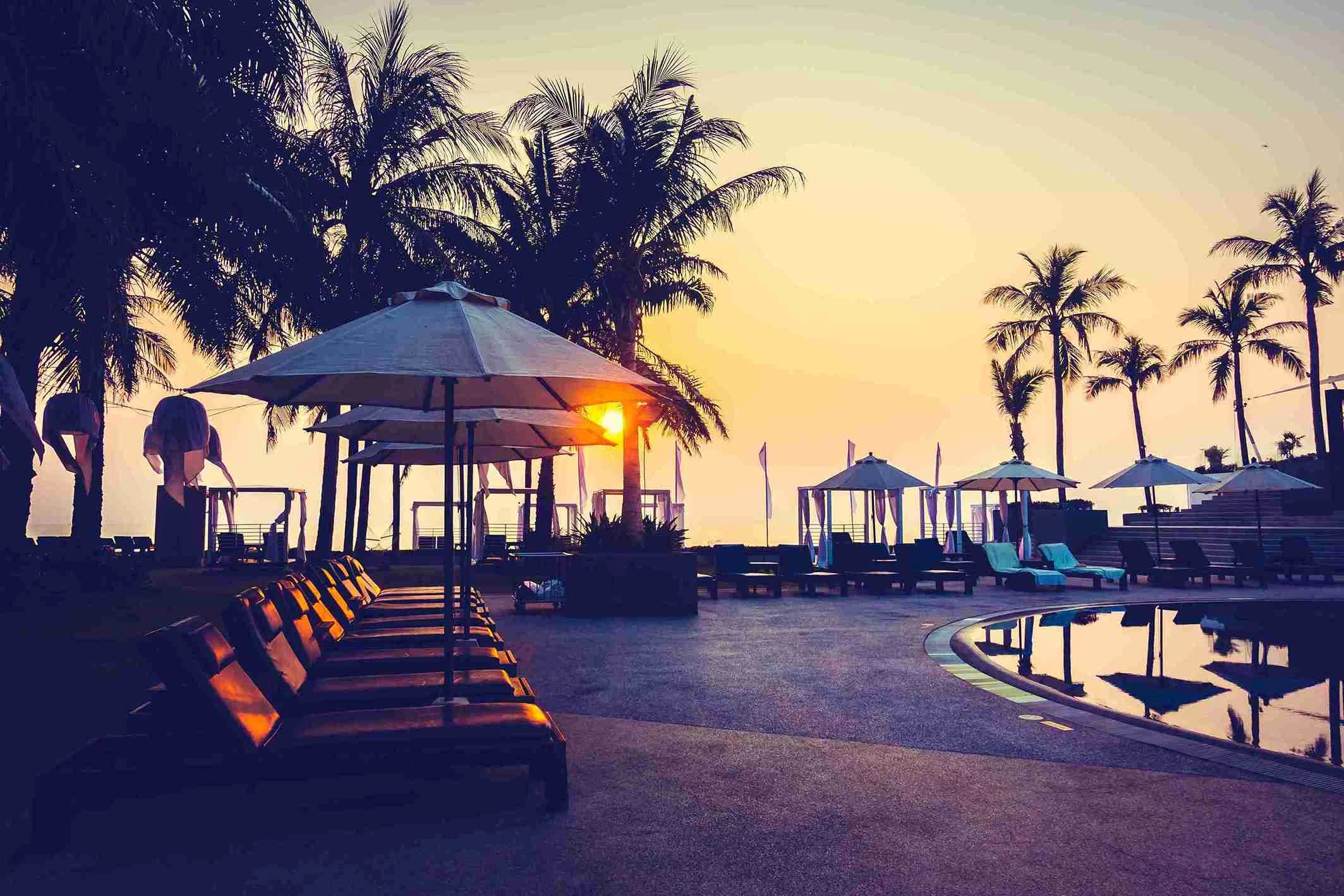
Goa is one of India’s most captivating destinations, known for its golden beaches, relaxed lifestyle, vibrant nightlife, and rich cultural heritage. Located along the country’s western coastline, Goa blends Indian traditions with a distinct Portuguese influence, creating an atmosphere unlike anywhere else in the subcontinent. Whether you are seeking tranquillity, adventure, spirituality, or celebration, Goa offers something for every type of traveller.
From historic churches and spice plantations to beach shacks and buzzing nightclubs, Goa’s charm lies in its diversity. It is a destination that continues to attract tourists from across the world, year after year.
Goa’s history plays a major role in shaping its identity. For over 450 years, it was ruled by the Portuguese, leaving a lasting imprint on its architecture, cuisine, religion, and language. Even after becoming part of India in 1961, Goa retained much of its European character, which sets it apart from other Indian states.
This blend of East and West is visible in everyday life, from pastel-coloured houses and baroque churches to local festivals and food habits. Goa’s past is not just preserved in monuments but lived through its culture.
Beaches are the heart of Goa, stretching along the Arabian Sea and catering to a wide range of travellers. North Goa is known for its lively atmosphere, popular beaches, and energetic nightlife. Places like Baga, Calangute, and Anjuna attract visitors looking for water sports, music, and social scenes.
South Goa, on the other hand, offers a quieter and more laid-back experience. Beaches such as Palolem, Colva, and Benaulim are ideal for relaxation, scenic views, and peaceful sunsets. Whether you want excitement or solitude, Goa’s coastline delivers both effortlessly.
Goa’s culture is a beautiful mix of Indian and Portuguese traditions. Music, dance, and festivals play a vital role in everyday life. Traditional Goan music often features Western instruments, while folk dances reflect both Hindu and Christian influences.
Local villages offer a glimpse into authentic Goan life, where fishing, farming, and community celebrations remain central. Despite being a major tourist destination, Goa has managed to preserve its cultural roots, making it more than just a holiday hotspot.
Goan cuisine is one of the most distinctive in India. It is known for its bold flavours, use of coconut, seafood, spices, and vinegar-based preparations. Dishes like fish curry rice, pork vindaloo, and prawn balchão are staples that reflect the region’s coastal and colonial influences.
Vegetarian dishes, sweets, and local snacks are equally popular, while fresh seafood remains a highlight for many visitors. Eating in Goa is not just about food but about experiencing its cultural fusion on a plate.
Goa’s nightlife is legendary and continues to evolve. Beach clubs, bars, night markets, and music festivals make it one of Asia’s most popular party destinations. North Goa, in particular, is known for late-night entertainment, electronic music, and international DJs.
At the same time, Goa also offers quieter evening experiences, such as beachside dinners, live music performances, and sunset cruises. The variety ensures that nightlife in Goa caters to all preferences, not just partygoers.
Beyond beaches and nightlife, Goa has a strong spiritual and historical side. Old Goa is home to UNESCO-listed churches, including the Basilica of Bom Jesus and Se Cathedral, which attract visitors from around the world. These landmarks highlight Goa’s colonial past and religious diversity.
Hindu temples, yoga retreats, and meditation centres are also scattered across the state, making Goa a popular destination for wellness and spiritual tourism. Many travellers visit Goa to reconnect with themselves in a calm and natural setting.
Goa offers plenty of adventure for thrill-seekers. Water sports such as parasailing, jet skiing, scuba diving, and snorkelling are widely available along the coast. Inland areas provide opportunities for trekking, wildlife exploration, and river activities.
The Western Ghats, a mountain range near Goa, add to its natural beauty and biodiversity. Exploring beyond the beaches reveals lush forests, waterfalls, and scenic villages that showcase another side of the state.
The best time to visit Goa is between October and March, when the weather is pleasant and ideal for outdoor activities. This period also coincides with major festivals, events, and peak tourist season.
Monsoon months bring heavy rainfall but transform Goa into a green paradise, appealing to travellers seeking a quieter and more scenic experience. Each season offers a different perspective of Goa’s beauty.