
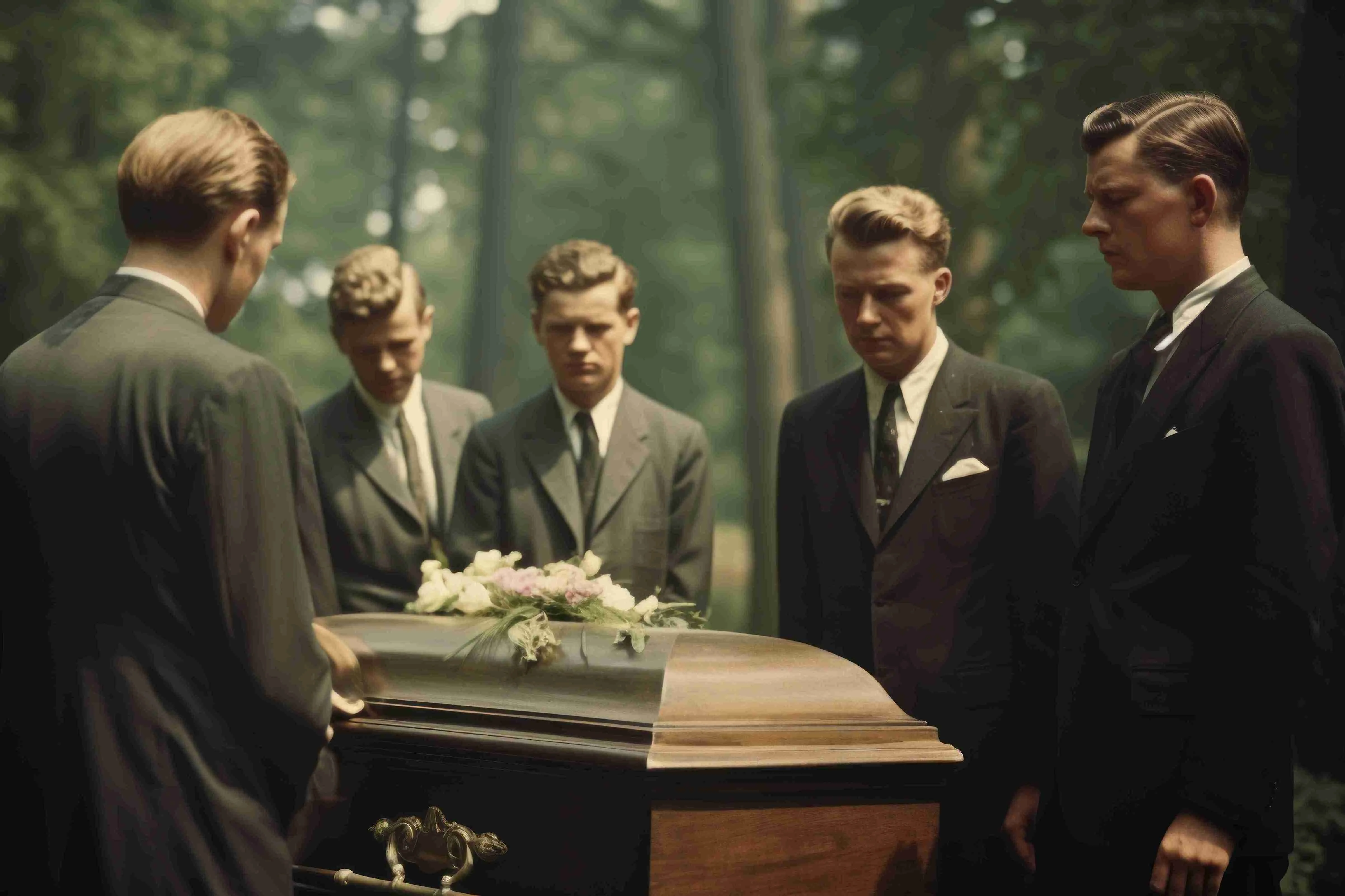
A funeral director plays a vital yet often misunderstood role in society. During one of life’s most emotionally challenging moments, this professional becomes a steady guide, helping families navigate practical arrangements while offering compassion, dignity, and respect. Far more than an event organizer, a funeral director is a licensed professional trained to manage legal requirements, cultural traditions, and emotional sensitivities surrounding death. Their work ensures that every farewell is meaningful, personal, and conducted with care.
At its core, the role of a funeral director is to coordinate all aspects of a funeral or memorial service. This includes arranging transportation of the deceased, preparing the body for viewing or burial, organizing ceremonies, and handling documentation such as death certificates and burial permits. Funeral directors also serve as the primary point of contact for families, clergy, cemeteries, crematories, and other service providers.
Beyond logistics, funeral directors provide emotional reassurance. They listen carefully to grieving families, explain options clearly, and help translate wishes into respectful ceremonies. Their calm presence often helps families feel supported when decision-making feels overwhelming.
Becoming a funeral director requires specialized education and training. Most professionals complete formal coursework in mortuary science or funeral service education, covering subjects such as embalming, restorative art, grief psychology, ethics, and business management. Practical apprenticeships or internships are also required, allowing future funeral directors to gain hands-on experience under supervision.
Licensing standards vary by region but typically involve passing professional examinations and meeting ongoing continuing education requirements. This rigorous preparation ensures funeral directors are qualified to handle both technical responsibilities and sensitive interpersonal interactions.
While technical knowledge is essential, compassion is the defining quality of a successful funeral director. Families often arrive in a state of shock or deep sorrow, unsure of what steps to take next. A skilled funeral director offers reassurance without intrusion, guidance without pressure, and empathy without judgment.
This emotional intelligence allows funeral directors to adapt their approach to each family’s needs. Some may require detailed explanations and reassurance, while others prefer minimal conversation and quiet efficiency. Recognizing and respecting these differences is a hallmark of professionalism in funeral service.
Funeral directors regularly work with families from diverse cultural, religious, and personal backgrounds. Each tradition carries its own customs, timelines, and rituals surrounding death. Whether arranging a traditional burial, a cremation ceremony, or a contemporary celebration of life, funeral directors must be knowledgeable and respectful of these practices.
Cultural competence ensures that services honor the deceased’s beliefs and the family’s values. This sensitivity not only prevents misunderstandings but also fosters trust during an emotionally vulnerable time.
In addition to caregiving responsibilities, funeral directors manage a complex business operation. Funeral homes must comply with legal regulations, maintain facilities, manage staff, and provide transparent pricing. Ethical business practices are central to maintaining public trust in an industry closely tied to grief and vulnerability.
Modern funeral directors are increasingly focused on offering flexible and personalized service options. This includes eco-friendly burials, direct cremations, and customized memorial events. Adapting to changing consumer preferences is now an essential part of the profession.
Working with loss on a daily basis can be emotionally demanding. Funeral directors must balance empathy with professional boundaries to protect their own mental well-being. Over time, many develop coping strategies that allow them to remain present and supportive without becoming overwhelmed.
Peer support, continuing education, and self-care practices are crucial for longevity in this career. Despite the challenges, many funeral directors describe their work as deeply meaningful, finding purpose in helping families find closure and peace.
The role of the funeral director has evolved significantly in recent decades. Families now seek more personalized and less traditional services, reflecting individual lifestyles and values. Funeral directors have responded by becoming creative facilitators, helping families design unique ceremonies that celebrate life rather than focus solely on loss.
Technology has also influenced the profession. Online obituaries, virtual memorials, and digital planning tools are now common. Funeral directors must blend traditional service values with modern expectations, ensuring accessibility and convenience without sacrificing compassion.
Funeral directors are integral members of their communities. They often serve multiple generations of families, building long-term relationships rooted in trust. Their work extends beyond individual services, contributing to communal healing after collective losses and tragedies.
By preserving rituals and providing space for remembrance, funeral directors help communities process grief together. This role, though often quiet and behind the scenes, has lasting social significance.
Selecting a funeral director is an important decision. Families should look for professionalism, transparency, and genuine empathy. A good funeral director listens carefully, explains options clearly, and respects both emotional and financial boundaries.
Reputation, experience, and communication style all play a role in building confidence during the planning process. When families feel understood and supported, the funeral director becomes not just a service provider but a trusted guide.