
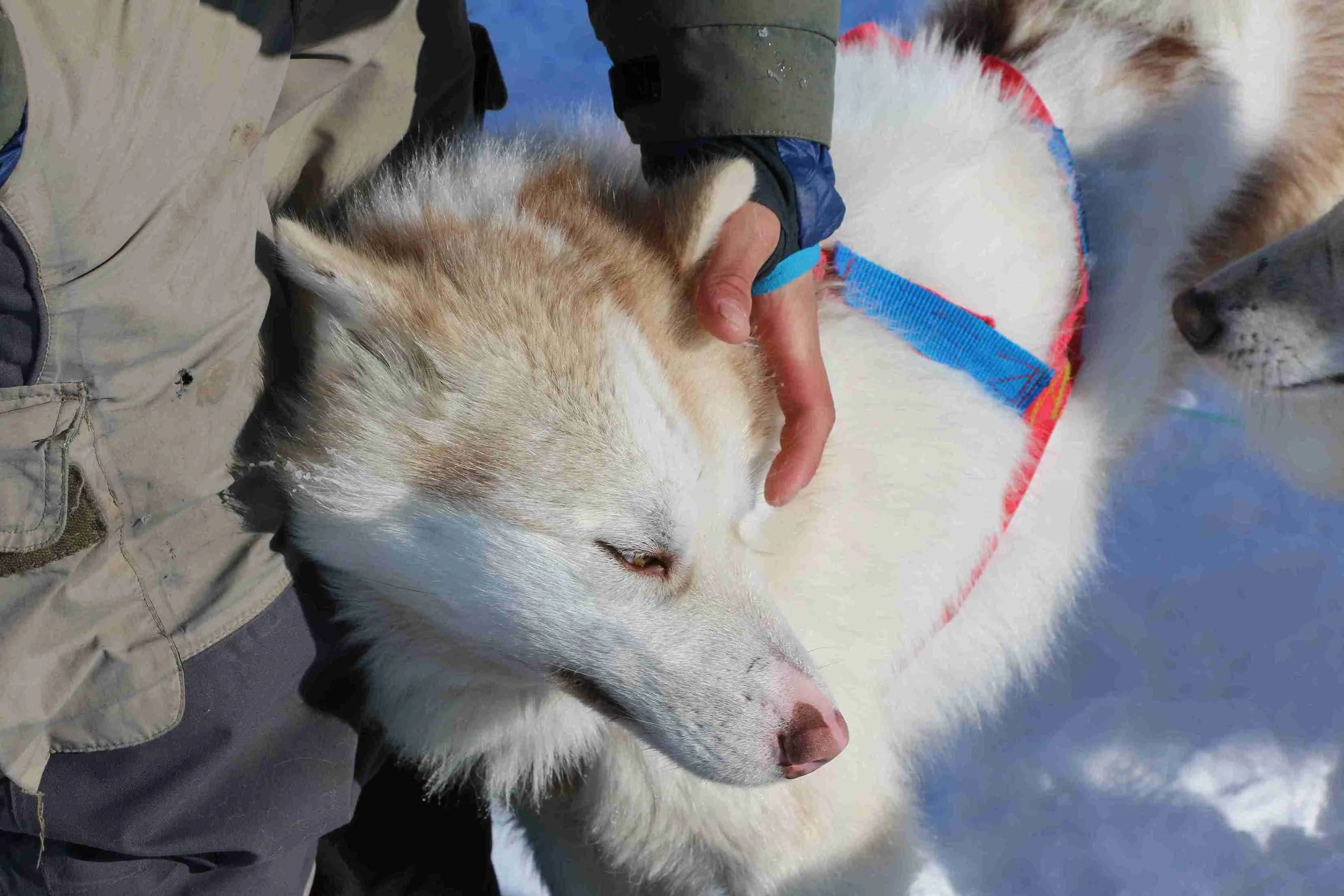
Preston wolf dogs DNA is a topic that has gained increasing attention among dog enthusiasts, breeders, researchers, and potential owners. Wolf dogs, also known as wolf-dog hybrids, are animals that share genetic ancestry from both domestic dogs and wolves. Understanding their DNA is essential for responsible ownership, legal compliance, behavioral expectations, and animal welfare. In regions like Preston and beyond, DNA testing has become a vital tool in identifying wolf content and clarifying lineage.
Wolf dogs are hybrids created by crossing a domestic dog with a wolf or a wolf-descended canine. The percentage of wolf DNA can vary significantly, ranging from low-content hybrids that behave much like domestic dogs to high-content wolf dogs that retain strong wild instincts.
This genetic variation makes wolf dogs unique but also complex. Unlike standardized dog breeds, wolf dogs do not follow predictable traits. Their appearance, temperament, and behavior are directly influenced by the proportion and expression of wolf DNA inherited from their ancestors.
DNA testing plays a crucial role in determining whether an animal has wolf ancestry. In Preston and other regions, DNA analysis is often used by owners, rescues, and authorities to confirm lineage. These tests compare genetic markers from the animal to known wolf and dog genomes, identifying shared sequences.
Modern canine DNA tests can detect wolf ancestry several generations back. While no test is 100 percent definitive, advanced panels provide a reliable estimate of wolf content, offering valuable insight into an animal’s genetic background.
Preston wolf dogs DNA testing typically involves collecting a saliva swab or blood sample from the animal. This sample is then analyzed in a laboratory using genetic sequencing technology. The DNA is compared against large databases containing domestic dog breeds and wild canid references.
Results usually classify the animal as a domestic dog, wolf-dog hybrid, or wolf-descended canine. Some reports also include estimated percentages of wolf ancestry, helping owners understand potential behavioral and physical traits linked to genetics.
One of the most important reasons to understand wolf dog DNA is behavior prediction. Wolf DNA influences instincts such as prey drive, territoriality, social bonding, and independence. High wolf-content animals often display behaviors that differ significantly from typical domestic dogs.
These traits can include reduced responsiveness to traditional training, strong escape instincts, and sensitivity to environmental stress. Knowing the DNA composition helps owners prepare appropriate training methods, living conditions, and enrichment strategies.
In many areas, including parts of the UK and Europe, wolf dogs are subject to legal restrictions. Understanding Preston wolf dogs DNA is essential for compliance with local regulations, licensing requirements, and ownership laws.
Some regions classify wolf dogs differently based on wolf content percentage. DNA results may be required to determine whether an animal is legally considered a domestic dog or a restricted hybrid. Ethical responsibility also plays a role, as unsuitable environments can negatively impact both the animal and the community.
Wolf dog DNA influences physical characteristics such as size, coat density, eye color, and skeletal structure. Animals with higher wolf ancestry may have longer limbs, narrower chests, thicker coats, and seasonal shedding patterns similar to wolves.
However, appearance alone is unreliable for identification. Many domestic breeds share visual similarities with wolves, making DNA testing the most accurate method for confirmation. Understanding genetic makeup prevents mislabeling and misinformation.
A common misconception is that wolf dogs are inherently aggressive. In reality, behavior is shaped by genetics, environment, and socialization. Some wolf dogs are shy and reserved rather than aggressive, especially those with higher wolf content.
Another misunderstanding is that all large, wolf-like dogs contain wolf DNA. Breeds such as Siberian Huskies and Alaskan Malamutes are fully domestic despite their appearance. DNA testing helps separate myth from fact.
Responsible wolf dog ownership begins with understanding genetics. Preston wolf dogs DNA analysis helps owners make informed decisions about housing, fencing, training, and social exposure. These animals often require experienced handlers, secure environments, and consistent routines.
Rescue organizations also rely on DNA results to place animals in suitable homes. Knowing the genetic background reduces the risk of abandonment, behavioral issues, and welfare concerns.
Beyond ownership, wolf dog DNA offers scientific value. Researchers study hybrid genetics to understand domestication, evolutionary divergence, and gene expression. These insights help improve conservation efforts for wild wolves and advance knowledge of canine behavior.
DNA research also aids in refining testing accuracy, allowing for clearer differentiation between ancient dog lineages and recent wolf ancestry.
As genetic technology advances, Preston wolf dogs DNA testing will become even more precise. Improved databases and sequencing methods will allow for clearer identification, better legal frameworks, and enhanced animal welfare standards.
Education remains key. When owners, breeders, and authorities understand the importance of DNA, wolf dogs can be managed responsibly and ethically.