
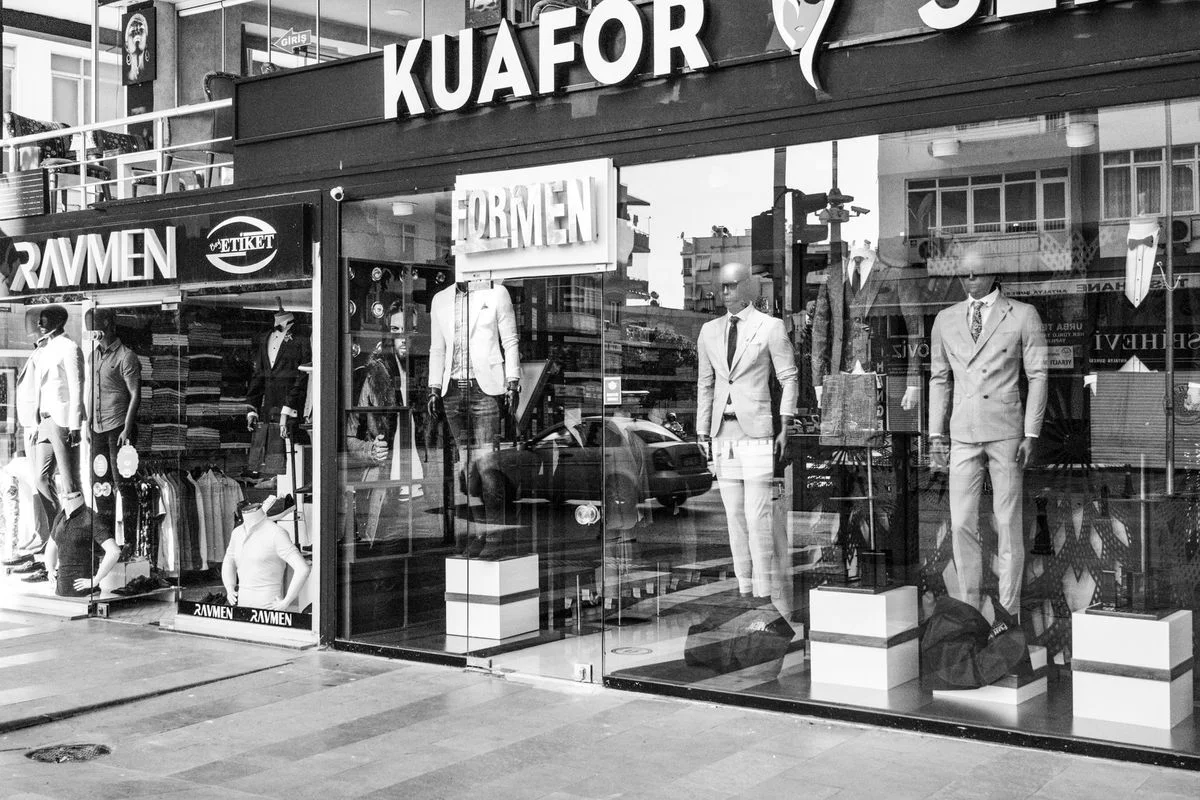
A significant restructuring plan for retailer TG Jones is making progress, having secured crucial backing from its key landlords, a development highlighted by The Guardian. This vital step comes amidst mounting concerns for the future of several high street establishments, including stores formerly operated by WH Smith, which are reportedly “on the brink of insolvency,” according to a recent report from The Telegraph.
The proposed rescue package for TG Jones, described as a “last-chance” effort by the Swindon Advertiser, carries the potential for widespread impact across the UK’s retail landscape. Details emerging from the plan suggest it “could close up to 150 shops,” a figure underscoring the severe pressures facing many traditional retailers.
Background to High Street Challenges
The UK’s high streets have faced unprecedented challenges, with evolving consumer habits, the rise of online retail, and broader economic headwinds creating a difficult environment for many businesses. This pressure has put numerous retailers in precarious positions, necessitating drastic measures for survival.
It is within this context that the news regarding retailer TG Jones and its restructuring plan gains particular resonance. The company is actively seeking to reorganise its operations and financial structure to adapt. Simultaneously, The Telegraph’s mention of “former WH Smith stores on the brink of insolvency” further illustrates the fragility within parts of the retail sector. The push for a rescue plan reflects the urgent need for retail chains to find sustainable models, with landlord support for TG Jones’s plan, as reported by The Guardian, being a critical component.
Key Developments in the Restructuring Plan
The restructuring plan for TG Jones has entered a crucial phase following reported backing from its key landlords. This support is fundamental to the plan’s successful implementation, as landlord agreement is often a prerequisite for large-scale corporate restructurings, allowing for renegotiated terms to reduce overheads and improve financial liquidity.
Despite securing landlord support, the path forward for TG Jones involves difficult decisions regarding its physical store footprint. The Swindon Advertiser has stated that the “last-chance rescue plan” for the retailer “could close up to 150 shops.” This potential reduction in store numbers signifies a strategic consolidation, aiming to streamline operations and focus resources on a more profitable core business.
The implications of such closures would be felt across various communities, impacting local employment and the overall vibrancy of high streets. While specific locations have not been disclosed, the scale of the proposed reduction underscores the magnitude of challenges TG Jones is addressing to navigate the current retail climate and avoid further insolvency risks.
Frequently Asked Questions Regarding the Retailer’s Situation
-
Q: What is the primary issue facing the stores mentioned in recent reports?
A: Stores identified as former WH Smith outlets are facing severe financial difficulties and are reported by The Telegraph to be “on the brink of insolvency.”
-
Q: Which specific retailer is currently undergoing a major restructuring plan?
A: The retailer TG Jones is implementing a comprehensive restructuring plan to address its financial challenges and adapt to the current market.
-
Q: Has the restructuring plan received support from key stakeholders?
A: Yes, “key TG Jones landlords” have officially backed the proposed restructuring plan, a vital step reported by The Guardian.
-
Q: What could be the direct impact of this rescue plan on the number of stores?
A: The rescue plan, as reported by the Swindon Advertiser, “could close up to 150 shops” as part of the strategy to stabilise the business.
What this means for Liverpool and Merseyside
For residents across Liverpool and Merseyside, alongside the broader UK audience, these developments concerning TG Jones and the reported precarious state of former WH Smith stores serve as a reminder of the ongoing transformation of the retail sector. While specific impact on Merseyside’s high streets remains to be seen, the potential closure of “up to 150 shops” nationwide suggests few regions will be entirely unaffected.
Should any affected stores be located within Liverpool or Merseyside, the implications could include reduced local retail choice, potential job losses, and changes to the visual landscape of our town centres. This situation reflects a national trend where retailers are re-evaluating their physical presence, often consolidating or downsizing to remain competitive against online platforms and evolving consumer preferences.
This news underscores the dynamic nature of our high streets and the continuous need for adaptability among businesses and support from local communities. While restructuring efforts aim for long-term viability, they often involve short-term disruptions that can impact local economies and consumer access to goods and services. Monitoring these developments will be crucial for understanding the evolving shape of retail in our region.